
Your Browsing History
 We‘re shipping as usual! The Canada Post strike only affects certain remote deliveries and PO Boxes. Details
 Holiday Shipping Details & Extended Holiday ReturnsWe‘re shipping as usual! The Canada Post strike only affects certain remote deliveries and PO Boxes. Details Holiday Shipping Details & Extended Holiday Returns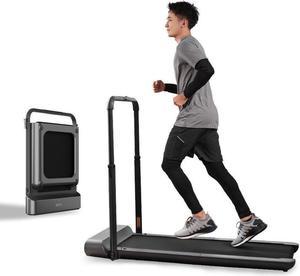
Regular exercise is essential for maintaining good health and well-being. It offers numerous benefits that can positively impact various aspects of our lives. Engaging in fitness and exercise activities not only helps in weight management but also improves cardiovascular health, boosts mood, and enhances cognitive function. Additionally, regular exercise can reduce the risk of chronic diseases such as heart disease, diabetes, and certain types of cancer. It also strengthens muscles and bones, improves sleep quality, and increases energy levels. Incorporating exercise into your daily routine is a smart choice for a healthier and happier life.
Cardiovascular exercise is crucial for improving heart health and burning calories. To achieve an effective cardio workout, it is essential to have the right equipment. Some of the best cardio equipment options include treadmills, stationary bikes, elliptical trainers, and rowing machines. These machines provide low-impact workouts that are gentle on the joints while still providing an intense cardiovascular workout. Investing in quality cardio equipment allows you to exercise conveniently at home and stay committed to your fitness goals.
Enhance your fitness routine with the right accessories that can take your workouts to the next level. Fitness accessories not only add variety to your exercises but also help in improving strength, flexibility, and balance. Some must-have fitness accessories include resistance bands, stability balls, foam rollers, and yoga mats. These accessories can be used for a wide range of exercises, from strength training to yoga and Pilates. Incorporating these accessories into your workouts can make them more challenging, engaging, and effective.
sports medicine plays a crucial role in preventing and treating injuries related to physical activity and sports. It focuses on the diagnosis, treatment, and rehabilitation of sports-related injuries, as well as the prevention of future injuries. Sports medicine professionals, such as athletic trainers and physical therapists, provide specialized care to athletes and individuals engaged in physical activities. They help in preventing injuries through proper training techniques, conditioning programs, and injury prevention strategies. In case of an injury, sports medicine professionals offer expert guidance and treatment to facilitate a speedy recovery and safe return to physical activity.
Swimming and water workouts are excellent options for individuals looking for low-impact exercises that are gentle on the joints. These activities provide a full-body workout while minimizing the risk of injury. Swimming is a great cardiovascular exercise that engages multiple muscle groups and improves endurance. Water workouts, such as aqua aerobics and water resistance training, offer resistance and buoyancy, making them effective for strength training and toning. Whether you're a beginner or an experienced athlete, incorporating swimming or water workouts into your fitness routine can provide a refreshing and effective way to stay fit.
| Q: Can I lose weight by exercising alone? | A: While exercise is an essential component of weight loss, it should be combined with a healthy diet for optimal results. Creating a calorie deficit through a combination of exercise and proper nutrition is key to losing weight. |
|---|---|
| Q: How often should I exercise? | A: It is recommended to engage in at least 150 minutes of moderate-intensity aerobic activity or 75 minutes of vigorous-intensity aerobic activity per week. Additionally, incorporating strength training exercises two or more days a week is beneficial. |
| Q: Can exercise improve mental health? | A: Yes, exercise has been shown to have a positive impact on mental health. It can reduce symptoms of depression and anxiety, improve mood, boost self-esteem, and enhance cognitive function. |
| Q: Is it necessary to warm up before exercising? | A: Yes, warming up before exercise is crucial to prepare your body for physical activity. It helps increase blood flow to the muscles, improves flexibility, and reduces the risk of injury. |
| Q: Can I exercise if I have a chronic condition? | A: In most cases, exercise is beneficial for individuals with chronic conditions. However, it is important to consult with a healthcare professional before starting any exercise program to ensure it is safe and appropriate for your specific condition. |